The Inbetweeners
Cats who live between worlds
When people bring a cat into their homes they are usually expecting a pet cat, a companion, a new member of the family.
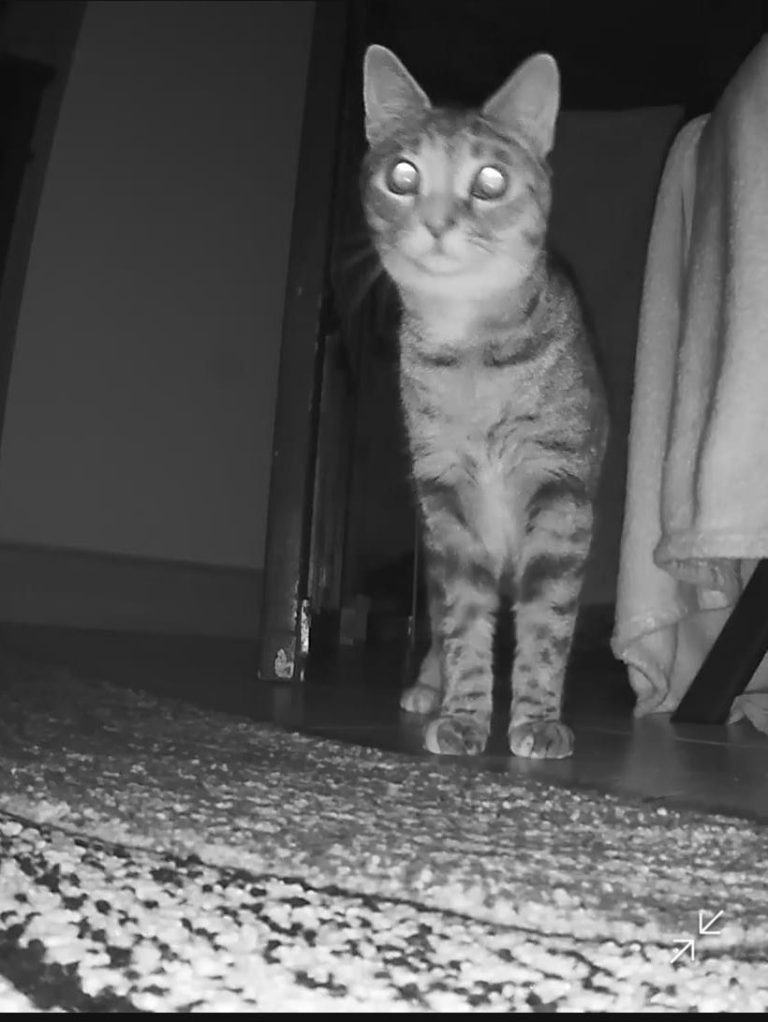
Yet sometimes, the cat who arrives is fearful, distant, and reluctant to engage.
These cats are often described as “shy” but many are something else entirely.
They are inbetweeners.
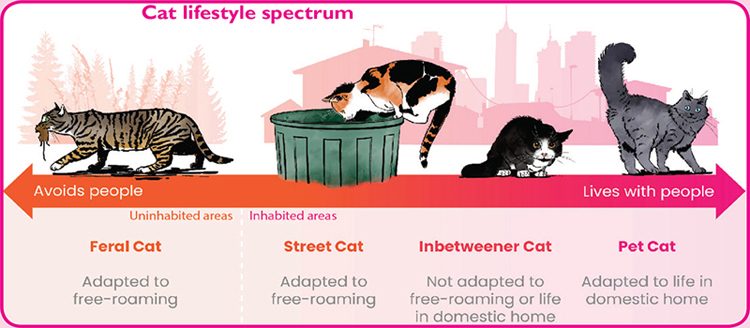
International Cat Care describes a Cat Lifestyle Spectrum, based on two key factors. Habituation to people, or how comfortable a cat is with human contact and adaptation to environment, whether they are suited to indoor or independent living
This creates four broad groups:
Pet Cats — live closely with people
Inbetweeners — rely on humans but struggle with close contact
Street Cats — independent but tolerant of people
Feral Cats — avoid human interaction entirely
Inbetweeners sit in the middle, close enough to need us, but not close enough to trust us fully. Sadly they often find themselves in rescue, where they can face being returned for not settling in or overlooked because they don’t respond to potential adopters. As International Cat Care states “ It can be hard to find the special caregivers needed for inbetweeners, who are happy to give the cat everything it needs without expecting any love or gratitude in return.”
How inbetweeners are made
The most critical, sensitive period to be socialised to contact with people is between 2 to 7 weeks. If kittens don’t experience repeated gentle, positive handling with a number of people during this time or they experience mishandling, they may grow into cats who find human contact difficult or overwhelming.
This doesn’t always mean neglect or poor care, even well-meaning environments can produce inbetweeners if timing or circumstances aren’t right. Situations that lead to kittens receiving little socialisation vary and these early experiences shape them. Which means no two inbetweeners are the same. A kitten raised in a garden, fed and played with but never handled will see the world differently to a kitten born in a chaotic, crowded home with little individual contact. Each will relate to people differently and find different environments challenging.
Thriving on their own terms
Many inbetweeners thrive in outdoor homes with support. A free-roaming lifestyle where they are fed, sheltered, and cared for at a distance. This can be done in many different environments, for example, in stables, on farms or hotels and even in spacious gardens. Ideal for cats that are actively fearful of people in close proximity.
Others can live inside homes, but with one key difference to cats that find being a companion easy. They need control over interaction. They need space to be themselves without forced contact, they need the freedom to be unseen. When the pressure to interact is removed many begin to relax. Some will choose proximity. Some will play. Some will just quietly share space with their caregivers, without ever getting close.
Living with an inbetweener
Caring for an inbetweener means adjusting expectations. The day that your cat curls up on your lap is most likely to never come, that doesn’t mean you can’t develop a meaningful and trusting relationship. To do this, always let the cat initiate interaction. Avoid handling unless necessary. If the cat does initiate interaction,enable them to disengage too. Have predictable routines. Focus on the cat’s environment. Creating comfortable hiding places inside or out is so important. For cats living inside the opportunity for play, particularly self directed play is essential.
It’s not about changing the cat, it’s about creating a life where they can feel safe. A caregiver’s promise to an inbetweener that they are welcome as who they are, not who they could have been, is the greatest gift to cats that might otherwise struggle to fit in.
Case study: Willow and Lilith
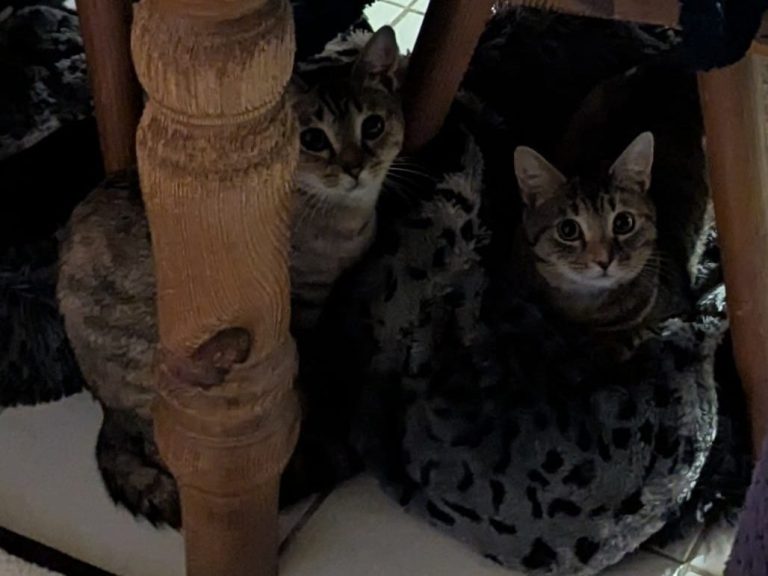
Willow and Lilith became noticed when they turned up in a garden and a kind person provided them shelter. When Lilith was injured and needed more veterinary care, the person looking out for them contacted the fantastic Keighley Cat Care and they got scooped up into rescue, treated and placed into a caring foster home where it became clear they were extremely wary of people.
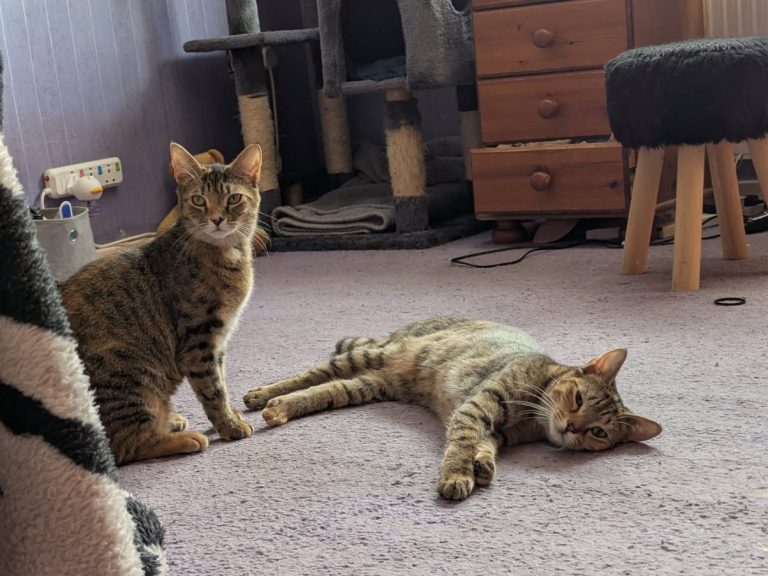
Jo was looking for a cat to share her life with and when she saw their picture and read the description of ‘two very nervous girls’ her heart melted. Their attentive foster carer was able to give Jo lots of information, although most of this was what they did on camera when she wasn’t there as both cats would hide from people.
Jo started her life with these two beautiful tabbies with a promise to them that they didn’t have to interact with her and that she would give them space, routine and oodles of hiding places. They settled in surprisingly well, suited to indoor living and having each other as security. Flourishing in a quiet and safe environment with an understanding person on their side.
When Jo saw them, she didn’t see “problem cats”, just two individuals who needed space, calm, and choice. A month after moving in they are still wary of Jo when she is walking around but follow her from room to room and their playful nature means they can’t resist joining in wand games with her. They are choosing to be near her. They are not asking for touch, they may never, but they are no longer living in fear. For Jo, that is more than enough.
Do you have an inbetweener?
If your cat avoids touch, hides, or seems constantly on edge, it’s important not to force interaction. Instead, give them control, reduce pressure and let them have a space of their own that is person free. Whether they interact or are simply comfortable, you can still build a meaningful relationship. Just in their own time and in their own way.