When Medicine Meets Mind
How Behavioural Insight Supports Feline Health and Recovery
Professional behaviourists always seek a vet referral when a problem in behaviour arises, this is because poor health can be the root cause of why a cat is behaving how they are.
That always needs attention first.
But what about when a cat has been diagnosed?
Can a behaviourist help then too?
Even when there isn’t any difficult behaviour?
When a cat becomes unwell, attention quite rightly turns to diagnosis, medication, and treatment. Yet as vets know, recovery is rarely just about the body. A cat’s emotional state, their sense of safety, control and comfort, can make the difference between a smooth recovery and a prolonged one. That’s where behaviour and medicine meet.
Behaviour as a clinical clue
Behaviour observation is itself an essential diagnostic tool.as changes in behaviour are often the first signs of pain or illness. Subtle shifts such as avoiding favourite resting places, withdrawing from contact, or grooming one area repeatedly can appear “behavioural” but in reality flag discomfort or cognitive change. The International Society of Feline Medicine highlights that behaviour observation is an essential diagnostic tool. Working with a feline behaviourist can help translate those early signs into useful clinical information, giving vets a fuller picture of what the cat is experiencing day to day.
The Physiology of Stress
A behaviourist can help in recovery too, as we are always mindful of the impact of stress on our felines. Stress is more than a mood. It alters heart rate, digestion, immune function, and wound healing. Chronic stress increases cortisol levels which suppresses immune responses. In some cats, emotional distress becomes physical disease such as feline idiopathic cystitis (FIC), an inflammatory bladder condition that can cause pain and a reluctance to use the litter tray. Behavioural support aims to reduce these pressures, through environmental change, predictable routines, and enrichment. It's been proven too. An observational study of cats with recurrent FIC found that after implementing enrichment for 10 months, 70-75% of cats had a significant reduction or complete resolution of the disease, as well as decreased signs of fearfulness, nervousness, and aggression.
Healing Environments
For cats with chronic illness or disability, small adjustments at home can have large effects. Raised food and water bowls reduce joint strain in arthritic cats; soft, non-slip flooring improves confidence and a help to get to preferred sleeping areas allows for proper rest and sleep. A home that smells familiar can limit anxiety between housemates and help cognitively or sensory disabled cats feel secure. Behaviourists assess not only the cat’s individual temperament but also the layout, noise, lighting, and social structure of the household. This “environmental prescription” complements the vet’s medical plan, helping to prevent stress-related flare-ups and encourage natural behaviours such as grooming, play, and exploration, all signs of emotional wellbeing. Creating the calm internal state in which medical treatment can do its work.
Working Together
The best outcomes arise when vets and behaviourists collaborate. A veterinary referral ensures any underlying medical causes are identified first; behavioural assessment then builds upon that knowledge. Regular feedback between the two professions closes the loop, the vet stays informed about progress, while the behaviourist can adjust recommendations based on medical updates. This partnership allows each profession to work within its expertise while presenting a unified plan to the client, reducing confusion and increasing compliance.
Case study: Emily, a cat with pneumonia
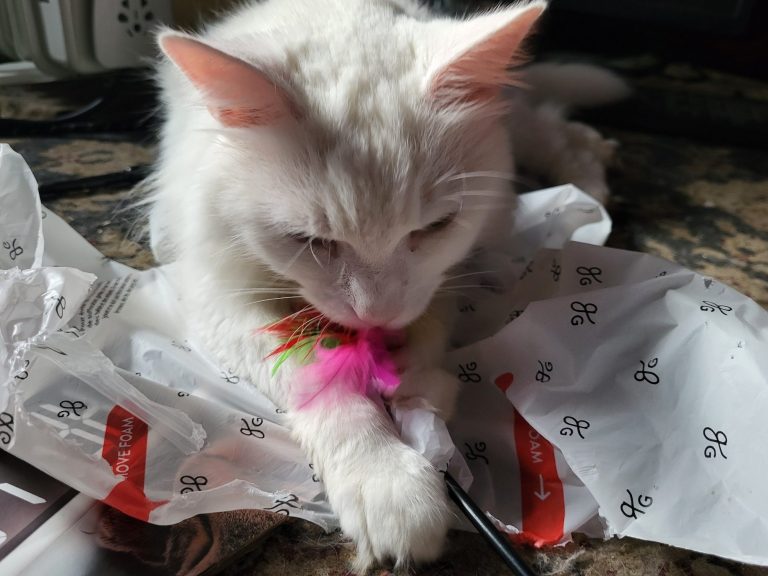
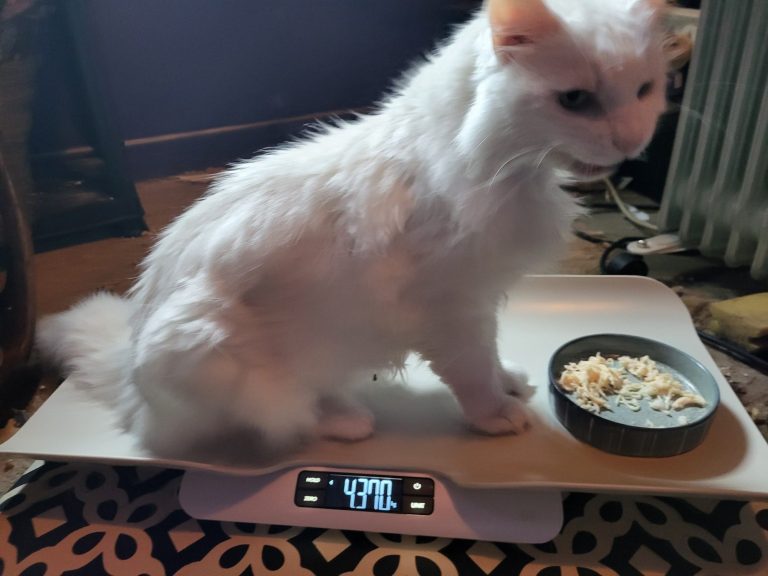
After collapsing Emily was rushed to an emergency vet. The concern was that her symptoms might be because of heart failure, pneumonia or cancer, so it was critical that she had a scan so that the vet could make the right diagnoses and give her the right treatment. Once diagnosed with pneumonia, an infection causing inflammation in her lungs, she could now get the antibiotic treatment she needed. But it wasn't just her breathing that was affected, it was also her confidence. Difficulty breathing had made it hard to eat so Emily had withdrawn from the bustling mealtimes of a multi-cat household and had lost a lot of weight. This had increased her feelings of vulnerability until she had completely retreated to a hiding place away from the world.
She needed intensive medical treatments to diagnose and treat the lung infection but she also needed a quiet place to recover. Giving her a room, secured with a microchip cat- flap, with all the resources she needed gave her that space. Receiving regular human attention where she could graze at tasty morsels and play at her leisure, without the stress of meeting another cat, was a crucial addition to her care plan. She successfully recovered her health alongside recovering her weight and her confidence.
Summary
When medicine meets mind, recovery becomes more than clinical improvement, it becomes genuine wellbeing. Through collaboration, vets and behaviourists help cats heal not only in body but in confidence, comfort, and peace.
Kat-Zen works alongside veterinary teams to provide behavioural insight that supports treatment, helps prevents relapse, and enhances quality of life for feline patients and their people.